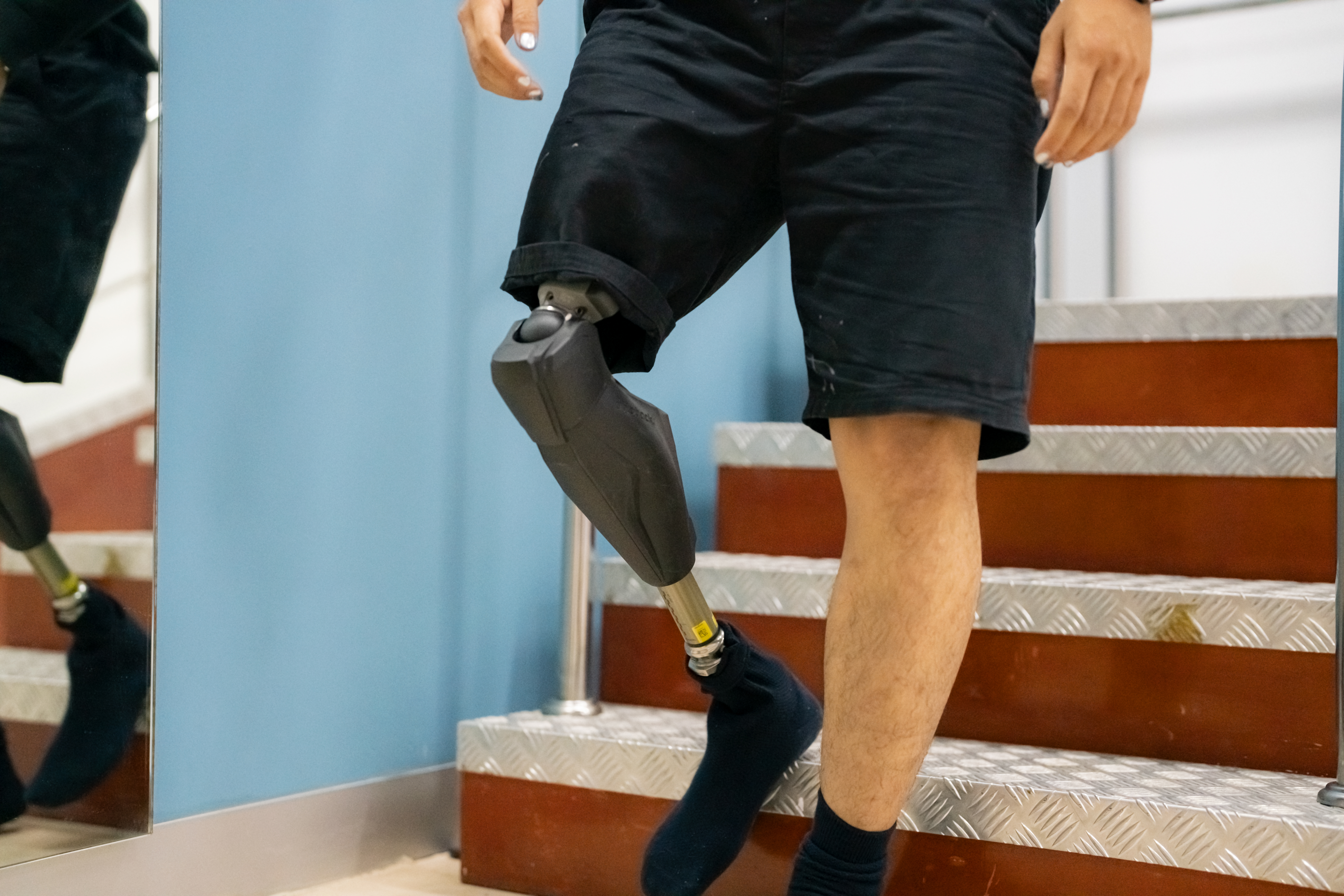
Shaping Outcomes After Serious Slip and Fall Injuries
A slip and fall accident can leave you dealing with painful injuries, missed work, and an insurance company looking for reasons to deny or reduce your personal injury claim. At Badey, Sloan & DiGenova, P.C., our experienced Philadelphia slip-and-fall attorneys represent personal injury victims throughout Philadelphia, PA, in premises liability claims involving unsafe property conditions, preventable hazards, and serious injuries.
We don’t just push paperwork. We build personal injury cases to prove negligence, document damages, and pursue fair compensation, through negotiation when feasible and litigation when necessary.
Premises Liability Law in Pennsylvania
When Property Conditions Create Legal Responsibility
Slip and fall cases fall under premises liability, which is part of Pennsylvania personal injury law. In general terms, a property owner (or the party responsible for maintenance) may be liable when:
- A dangerous condition existed on the property,
- The responsible party knew or should have known about it (actual or constructive notice), and
- The failure to fix it or warn about it was a legal cause of the injuries.
Pennsylvania premises cases also turn on the reason you were on the property (e.g., a customer vs. a social guest), as the applicable standard of care can vary.
Deadlines matter: Most Pennsylvania personal injury lawsuits, including slip-and-fall cases, must be filed within 2 years of the incident.
Pennsylvania uses modified comparative negligence (the “51% Bar Rule”), meaning you can recover damages in an injury case only if your fault is less than 51%; if you are found 50% or less at fault, your compensation is reduced by your percentage of fault, but if you’re 51% or more at fault, you get nothing.
Slip and Fall and Other Premises Liability Claims We Handle
More Than “Just a Fall”
Premises liability claims can occur in many everyday places, including grocery stores, apartment buildings, restaurants, sidewalks, parking lots, offices, and construction sites.
Below are common claim types our personal injury law firm evaluates:
- Wet or slippery floors and unmarked spills (no cones/signage, poor cleanup procedures)
- Uneven pavement / broken sidewalks (heaving slabs, potholes, crumbling edges)
- Broken steps, loose stair treads, and missing handrails
- Poor lighting in hallways or stairwells
- Icy walkways and snow-related falls (including cases affected by Pennsylvania’s “hills and ridges” doctrine)
- Falling merchandise or unsafe store displays
- Negligent maintenance in rentals (ignored repair requests, recurring leaks, unsafe common areas)
- Parking lot hazards (poor drainage, unmarked elevation changes, broken curbs)
If you’re unsure whether your situation qualifies as a legitimate slip-and-fall claim, we offer free consultations to clarify the duty owed, the evidence needed, and whether a valid claim can be proven.
What Makes a Slip and Fall Case “Valid” in Philadelphia?
The Evidence Has to Prove Negligence
Slip and fall cases can be complex, not because injuries aren’t real, but because the law requires proof of someone else’s negligence.
To move from “I got hurt” to a compensable slip and fall claim, your legal team typically needs evidence that supports:
- A dangerous condition existed. Photos/video, incident reports, witness accounts, or inspection logs can show what made the area unsafe.
- The responsible party had notice (actual or constructive). A core issue is whether the property owner saw the hazard or should have discovered it through reasonable upkeep.
- Causation. You must connect the negligence to the fall accident and the injuries sustained (medical records matter here).
- Damages. Medical expenses, lost wages, and the physical and emotional impact of the injuries are part of the claim value.
Injuries We Commonly See in Slip and Fall Incidents
Falls Can Cause Catastrophic Harm
Slip and fall injuries range from painful soft-tissue injuries to life-changing trauma. Common fall injuries include fractures and orthopedic injuries, but falls can also lead to:
- Traumatic brain injury (TBI) (often from striking the head during a fall)
- Spinal cord injuries and serious back/neck injuries
- Soft tissue injuries that affect mobility and daily life
What to Do After a Slip and Fall Accident in Greater Philadelphia
Early Decisions Shape the Outcome
If you’re able, these steps can protect your health and your case:
- Talk to a Philadelphia personal injury lawyer early. Evidence disappears, conditions are repaired, and deadlines apply, especially if a government entity is involved.
- Seek medical attention immediately. Prompt care protects your medical condition and creates records linking the injury to the incident.
- Report the incident and request documentation. Notify the manager/property owner and ask for an incident report (or note who you reported it to).
- Photograph the accident scene right away. Capture the hazard, the surrounding area, lighting, warning signs (or their absence), and your footwear.
- Get witness information. Names/phone numbers of anyone who saw the fall or the condition can strengthen the claim.
- Don’t give recorded statements to an insurance company yet. Another reason to talk to a slip and fall accident lawyer. Adjusters are trained to minimize payouts; early comments can be used against you later.
Compensation in a Pennsylvania Premises Liability Claim
Building a Claim That Reflects the Full Impact
Depending on the facts, compensation may include:
- Medical bills and future care needs
- Lost wages and loss of earning capacity
- Pain and suffering and the impact on daily life
- Rehabilitation, mobility assistance, and long-term support
If you were partially responsible, Pennsylvania law can reduce compensation payable to you proportionally.
Claims Involving the City of Philadelphia or Other Government Properties
Extra Rules Can Apply
Premises liability claims involving government property can entail additional procedural requirements and limitations. Suing the Government involves strict rules that apply to local/state government entities, which require specific, timely written notice, and cap damages from $250k to $500k.
If your fall accident occurred on or near government property (e.g., cities, townships, counties, school districts, certain public buildings, or other municipal locations), it’s smart to speak with counsel early to avoid missing technical steps.
Contingency Fees and the Cost of Hiring a Philadelphia Personal Injury Attorney
Clear Expectations. No Upfront Legal Fees.
Most slip-and-fall injury attorneys handle premises liability cases on a contingency fee basis, meaning legal fees are typically only owed if a settlement is reached.
During a free consultation, you should receive a clear explanation of:
- How decisions are made during the legal process
- The contingency fee structure
- Litigation costs (filing fees, experts, retrieval of records)