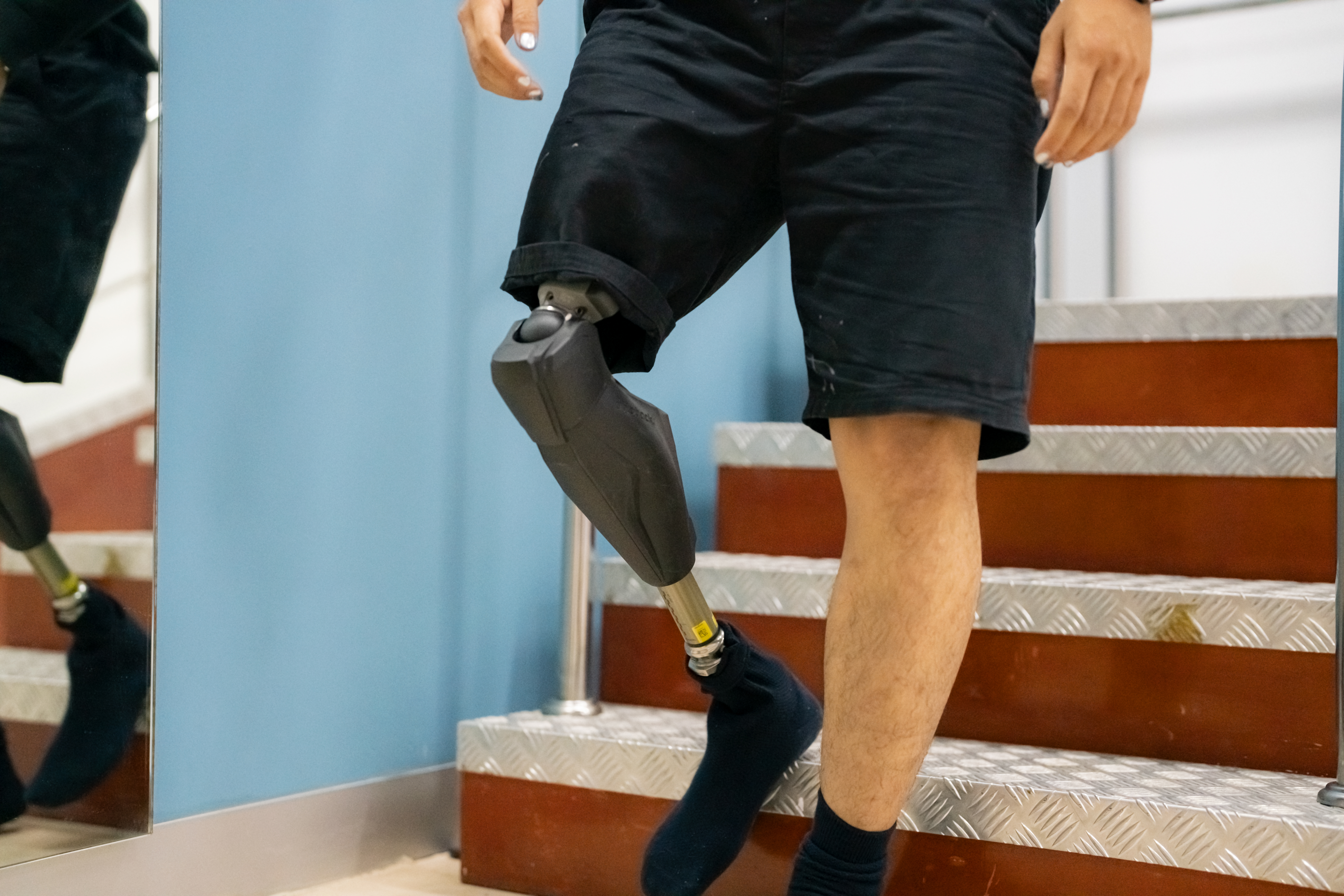
Understanding how anesthesia errors happen, and when they become a viable malpractice claim
Anesthesia is supposed to make surgery safer and more manageable. But when something goes wrong during administration or monitoring, the consequences can be immediate, severe, and sometimes irreversible.
Not every complication during anesthesia is malpractice. The question is whether a preventable error occurred and whether that error caused meaningful harm.
When an Anesthesia Error Becomes Medical Malpractice
The difference between a complication and a legal claim
Anesthesia carries known risks. Even when handled correctly, complications can occur. That alone does not create a viable medical malpractice case.
A claim begins to take shape when two things can be shown:
- The anesthesiologist or medical team deviated from the accepted standard of care
- That deviation caused injury, worsened a condition, or increased the risk of harm
In Pennsylvania, this analysis is not theoretical. It requires expert review and must be formally supported through a Certificate of Merit early in the case.
What Anesthesiologists Are Responsible For
Monitoring, dosing, and real-time decision-making
Anesthesiologists play a central role in any medical procedure involving anesthesia. Their responsibilities go beyond administering drugs.
They are expected to:
- Evaluate the patient’s medical history before the procedure
- Administer the correct type and dosage of anesthesia
- Continuously monitor the patient’s vital signs
- Recognize complications and respond immediately
Failures in any of these areas can lead to serious outcomes, including brain damage, cardiac events, or anesthesia awareness.
Common Anesthesia Errors That Lead to Claims
Where breakdowns tend to occur
Anesthesia error cases often involve highly technical failures. Some of the more common issues include:
- Dosage errors (too much or too little anesthesia)
- Failure to monitor vital signs during surgery
- Delayed response to oxygen deprivation
- Improper airway management
- Failure to recognize allergic reactions or drug interactions
- Defective or improperly used medical equipment
These errors can occur in operating rooms, outpatient surgical centers, or even labor and delivery settings.
Suffered Injuries Caused by Anesthesia Errors
Why these cases are often high-value but heavily scrutinized
When anesthesia errors occur, the injuries are often severe because they affect core bodily functions.
Common injuries include:
- Brain damage due to a lack of oxygen
- Stroke or heart attack during a procedure
- Nerve damage or paralysis
- Anesthesia awareness (waking during surgery)
- Death in extreme cases
These outcomes frequently involve long-term medical care, lost wages, and significant physical pain and emotional distress.
How Pennsylvania Law Evaluates Anesthesia Error Cases
Proof requirements and procedural realities
An anesthesia error lawsuit is a form of medical malpractice under Pennsylvania law. That means the claim must meet specific legal thresholds.
A viable case generally requires:
- A duty of care by the anesthesiologist or medical provider
- A breach of the standard of care
- A direct connection between that breach and the injury
- Measurable damages
Because these cases involve specialized medical issues, expert testimony is almost always required. Medical records, especially anesthesia logs and monitoring data, are central to proving what happened.
Pennsylvania also requires a Certificate of Merit to be filed within 60 days of filing the complaint, confirming that a qualified expert supports the claim.
Why Some Medical Error Cases Are Stronger Than Others
What actually affects case viability and value
Not every serious outcome leads to a strong claim. Some of the key factors that influence whether a case moves forward include:
- Clarity of the Error: Clear, documentable mistakes, such as dosage errors or failure to monitor, are easier to prove than judgment calls made in complex medical situations.
- Causation: It is not enough to show that something went wrong. The evidence must show that the anesthesia error caused the injury, not the underlying medical condition.
- Severity of Harm: Cases involving permanent injury, brain damage, or death are more likely to justify the cost and complexity of litigation.
- Documentation: Detailed anesthesia records, vital signs data, and timing of events often determine whether a case can be proven.
How Insurance Companies Evaluate These Claims
Why a settlement is not automatic
Insurance carriers do not evaluate these cases based on sympathy. They assess the risks involved.
They look at:
- Whether the standard of care can be clearly challenged
- Whether expert testimony will support the claim
- How a jury is likely to interpret the medical evidence
- The long-term financial exposure (medical care, lost earnings, etc.)
If liability is unclear or causation is disputed, insurers are more likely to resist settlement. That is why many anesthesia error cases are prepared with a trial in mind from the outset.
Multiple Parties May Be Responsible
Why are these cases rarely simple
An anesthesia error claim may involve more than just the anesthesiologist.
Potentially responsible parties can include:
- Hospitals or surgical centers
- Nurse anesthetists (CRNAs)
- Equipment manufacturers (in device-related failures)
- Other members of the surgical team
Understanding how responsibility is shared or disputed is a key part of building the case.
What to Do If You Suspect an Anesthesia Error
Steps that can protect both your health and your claim
If something does not feel right after an anesthesia procedure, timing matters.
You should consider:
- Seeking immediate medical care for unusual symptoms
- Requesting complete medical records, including anesthesia logs
- Documenting symptoms, recovery, and limitations in writing
- Avoiding detailed discussions with insurance representatives
- Consulting a Philadelphia anesthesia errors lawyer before making formal statements
Early decisions can affect both medical outcomes and legal options.
Seeking Financial Compensation in Anesthesia Error Cases
What may be recoverable under Pennsylvania law
If a claim is viable, economic and non-economic damages may include:
- Medical bills and future medical care
- Lost wages and reduced earning capacity
- Physical pain and suffering
- Emotional distress and loss of quality of life
In rare cases involving reckless conduct, punitive damages may be considered, but they are not typical and require a higher level of proof.
Why Choose Badey, Sloan & DiGenova
A focused, litigation-driven approach to complex cases
Anesthesia error claims are not routine medical malpractice cases. They often involve technical medical evidence, multiple providers, and disputed causation. These are cases that need to be evaluated and prepared for litigation from the start.
Badey, Sloan & DiGenova approaches these matters with that reality in focus. The firm is selective about the cases it accepts, concentrating on serious injuries and claims where the medical and legal issues justify the time, cost, and risk of litigation.
Clients who work with the firm can expect:
- Strategic case evaluation early: Every case is assessed for liability, causation, and long-term value before moving forward, not after.
- Experience with complex medical malpractice litigation: These cases often require coordination with medical experts, detailed analysis of anesthesia records, and a clear theory of what went wrong.
- Trial and appellate perspective from day one: Cases are prepared with the understanding that they may be litigated, not just negotiated.
- Willingness to pursue difficult cases: Particularly where liability is contested, or the medical issues are complex.
- Direct attorney involvement: Clients work with attorneys who actively evaluate and develop the case.
Not every anesthesia complication leads to a viable claim. But when a preventable error results in serious harm, a careful, disciplined approach can make the difference in how the case is evaluated and ultimately resolved.